

Rolling Mill Preventive Maintenance Checklist: Daily, Weekly and Shutdown Tasks
Unplanned breakdowns in a rolling mill stop production, waste material, and often damage other components. A structured preventive maintenance programme helps find problems early, plan repairs, and keep the mill running reliably. This checklist provides a practical starting point that can be adapted to each plant.
Why Preventive Maintenance Matters
- Reduces unplanned stoppages
- Extends the life of rolls, bearings, gears, and guides
- Helps maintain consistent rod quality
- Supports safer operation
- Allows spare parts to be planned in advance
Daily Checks
- Inspect stands for unusual noise, vibration, or heat
- Check lubrication levels and oil flow indicators
- Check cooling water flow and pressure
- Look for oil, water, or air leaks
- Inspect guides and the visible roll condition
- Confirm that safety guards are in place
- Record operating parameters and any abnormalities
Weekly Checks
- Inspect couplers and spindles for wear and play
- Check gearbox oil condition and temperature
- Inspect drive belts or chains, where used
- Clean cooling nozzles and filters
- Check fasteners on critical assemblies
- Inspect cast bar preparation equipment
- Check coiler and traverse operation
Monthly Checks
- Review vibration and temperature trends
- Inspect electrical panels and connections
- Check motor condition
- Test emergency stops and interlocks
- Review roll and guide wear records
- Check spare parts stock levels
Planned Shutdown Tasks
- Detailed inspection of stand housings and bearings
- Gear inspection and backlash checks
- Alignment checks for drive lines and stands
- Replacement of worn stand spare parts
- Inspection of pivots and couplers
- Cleaning and inspection of cooling systems
- Calibration of sensors and instruments
Roll Maintenance
Rolls should be tracked by tonnage or running hours. Inspect them at each change for wear, cracks, and groove damage. Regrinding or regrooving should be planned before wear affects rod dimensions or surface quality.
Guide Maintenance
Guides should be inspected at roll changes and replaced when worn. Consistent spare guides help keep settings repeatable.
Lubrication Management
- Use the specified lubricants
- Keep lubricants clean and dry
- Monitor oil condition
- Replace filters on schedule
- Check that lubrication reaches every point
Recording and Reviewing Maintenance
A maintenance programme works best when results are recorded. Logging inspections, findings, and replacements helps identify recurring problems and set realistic replacement intervals.
Casting and Bar Preparation Checks
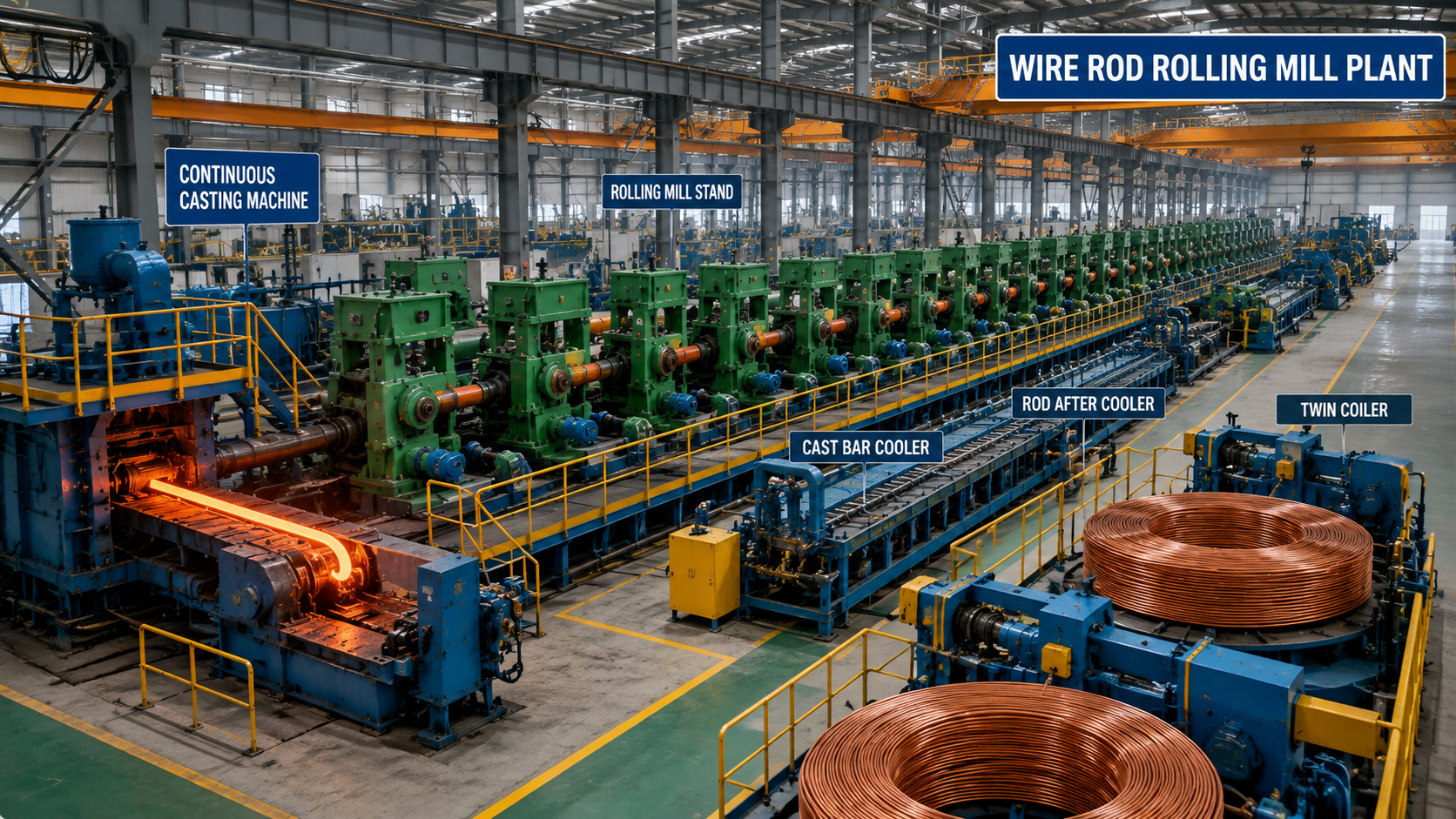
Preventive maintenance should cover the full line, not only the rolling stands. Include:
- Casting ring groove inspection and cleaning
- Casting belt condition and tension
- Cooling nozzle checks on the casting machine
- Straightener roller condition and settings
- Cutter blade condition and response
- Feeder roller condition and pressure
Problems in these areas often show up later as rolling problems, so catching them early protects the whole line.
Cooling and Coiling Checks
- Rod after cooler flow, temperature, and cleanliness
- Drying equipment performance
- Coiler changeover function
- Traverse motion and guide wear
- Coil handling equipment
Creating a Maintenance Calendar
A calendar helps make sure tasks are carried out on time. A simple approach is to list each task with its frequency and assign responsibility. Digital maintenance systems can generate work orders automatically, but even a well-organised spreadsheet or paper system is far better than no system.
Using Checklists on the Shop Floor
Printed or digital checklists help technicians complete inspections consistently. A good checklist:
- Lists each item clearly
- Includes acceptable limits where possible
- Has space to record findings
- Is signed or confirmed when complete
Completed checklists also provide a record for later review.
Linking Maintenance to Production Planning
Planned maintenance works best when it is coordinated with production. Scheduling major tasks during planned shutdowns, combining roll changes with inspections, and preparing parts in advance all help reduce lost production time.
Measuring Maintenance Effectiveness
Track simple indicators such as:
- Number of unplanned stoppages
- Downtime hours per month
- Mean time between failures for key equipment
- Percentage of planned tasks completed on time
These indicators show whether the maintenance programme is improving reliability.
Why Choose Laxmi Industries?
Laxmi Industries supplies Rolling Mill Stand Spare Parts, Rolling Mill Stands, Couplers, Pivots, and rolls, helping manufacturers keep their maintenance programmes supported with suitable components.
Frequently Asked Questions
What is preventive maintenance in a rolling mill?
It is planned inspection and servicing carried out to prevent breakdowns rather than reacting after a failure.
How often should a rolling mill be inspected?
Some checks are daily, others weekly, monthly, or during planned shutdowns, depending on the component.
Which parts need the most attention?
Rolls, guides, bearings, gears, couplers, lubrication, and cooling systems need regular attention.
Should maintenance be recorded?
Yes. Records help identify trends and plan replacements.
Conclusion
Preventive maintenance turns unexpected breakdowns into planned work. A clear checklist, consistent recording, and timely replacement of worn parts help rolling mills run more reliably and produce consistent rod.
Contact Laxmi Industries for rolling mill spare parts and components to support your maintenance programme.
