Copper Wire Rod Casting: How to Improve Quality and Energy Efficiency
Copper wire rod production requires precise control of casting, cooling, rolling, and material handling processes. The quality of the cast material entering the rolling mill can have a direct effect on the consistency and performance of the finished wire rod. At the same time, energy consumption is an important operating consideration for manufacturers looking to improve the efficiency of their production lines.
Improving copper wire rod casting is therefore not only about increasing production speed. Manufacturers should also consider temperature control, cooling performance, process stability, equipment condition, automation, and maintenance. A properly designed production system can help create more stable operating conditions while supporting consistent product quality.
Why Copper Wire Rod Casting Quality Matters
The casting stage forms the starting point for the downstream rolling process. Variations in the cast material can create additional challenges during rolling and may affect dimensional consistency and surface quality.
Maintaining stable casting conditions can help manufacturers achieve more consistent material characteristics before the product enters subsequent production stages.
Key Factors Affecting Copper Wire Rod Casting Quality
1. Casting Temperature Control
Temperature control is an important part of copper casting. The casting process should operate within the appropriate temperature range for the specific material and equipment configuration.
Unstable thermal conditions can affect material flow and process consistency. Monitoring and controlling temperature at critical points can therefore support more stable production.
2. Consistent Material Flow
Stable material flow through the casting system is important for maintaining consistent production. Variations in flow can affect the resulting cast section and create instability in downstream processing.
The casting system should be designed and operated to provide controlled material movement throughout the process.
3. Cooling System Performance
Cooling is an important part of copper wire rod casting. The cooling system must provide appropriate heat removal while maintaining stable operating conditions.
Cooling performance should be evaluated together with casting speed, material temperature, equipment design, and production requirements.
4. Casting Speed
Increasing casting speed without considering the complete process can create additional demands on temperature control, cooling, equipment stability, and downstream rolling.
The appropriate casting speed should be established according to the capabilities of the complete production line rather than focusing on a single machine parameter.
How to Improve Copper Wire Rod Casting Energy Efficiency
1. Optimize Heating and Thermal Management
Energy consumption can be influenced by the way thermal energy is introduced, maintained, and transferred throughout the production process. Effective thermal management can help reduce unnecessary energy losses.
Manufacturers should evaluate heating equipment, insulation, temperature control, operating schedules, and heat losses when reviewing overall energy performance.
2. Improve Cooling Efficiency
Cooling systems also consume energy and resources. An appropriately designed cooling system can help maintain required process conditions without unnecessary operation of pumps and associated equipment.
Cooling performance should be monitored regularly to identify inefficient operation, blocked passages, leaks, or other issues that may increase operating costs.
3. Use Process Automation
Automation can help maintain consistent operating parameters and reduce unnecessary manual adjustments. Depending on the production line, automated control can be used for temperature monitoring, speed coordination, cooling control, process monitoring, and production data collection.
Automation can also provide operators with better visibility into production conditions, helping them identify deviations earlier.
4. Maintain Motors and Drive Systems
Motors, drives, and transmission components are important energy-consuming elements in casting and rolling systems. Poor maintenance, incorrect sizing, mechanical resistance, or abnormal loading can affect energy performance.
Regular inspection and preventive maintenance can help identify mechanical or electrical issues before they result in unnecessary energy consumption or production interruptions.
Role of Automation in Copper Wire Rod Casting
Modern copper wire rod production can benefit from automation systems that coordinate different stages of the process. Depending on the equipment configuration, automation can assist with casting speed, rolling speed, temperature monitoring, cooling, alarms, and production data.
The objective should not simply be to automate individual machines. The greatest benefit can come from coordinating the complete casting and rolling process so that different sections operate together.
Importance of Continuous Casting and Rolling Integration
In an integrated copper wire rod production line, casting and rolling are closely connected. The output from the casting section becomes the input for the rolling process, making process coordination important.
A properly integrated system can help reduce unnecessary intermediate handling and support continuous production. The exact configuration should be selected according to production capacity, material requirements, finished product specifications, and plant layout.
How Maintenance Affects Energy Efficiency
Maintenance has an important role in maintaining efficient production. Worn mechanical components, misalignment, excessive friction, damaged rolls, inefficient cooling, and other equipment problems can increase operating requirements.
A preventive maintenance program should include inspection of critical equipment and replacement of components when they reach the appropriate condition or service limit.
Important Equipment in a Copper Wire Rod Production Line
A copper wire rod production line can contain several interconnected machines and components. Depending on the production configuration, these may include:
- Continuous casting equipment
- Rolling mill stands
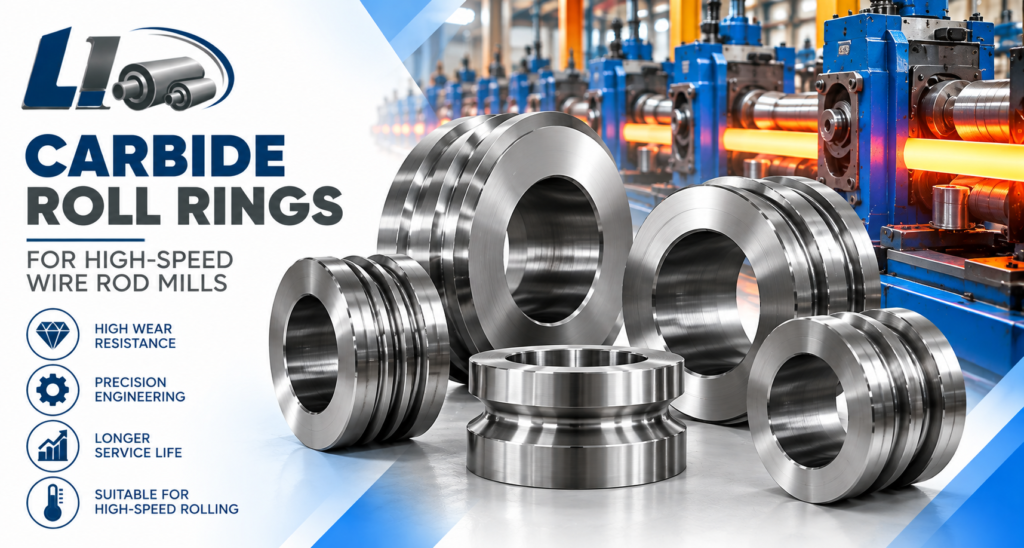
- Copper rolling mill rolls
- Cooling systems
- Wire rod guides
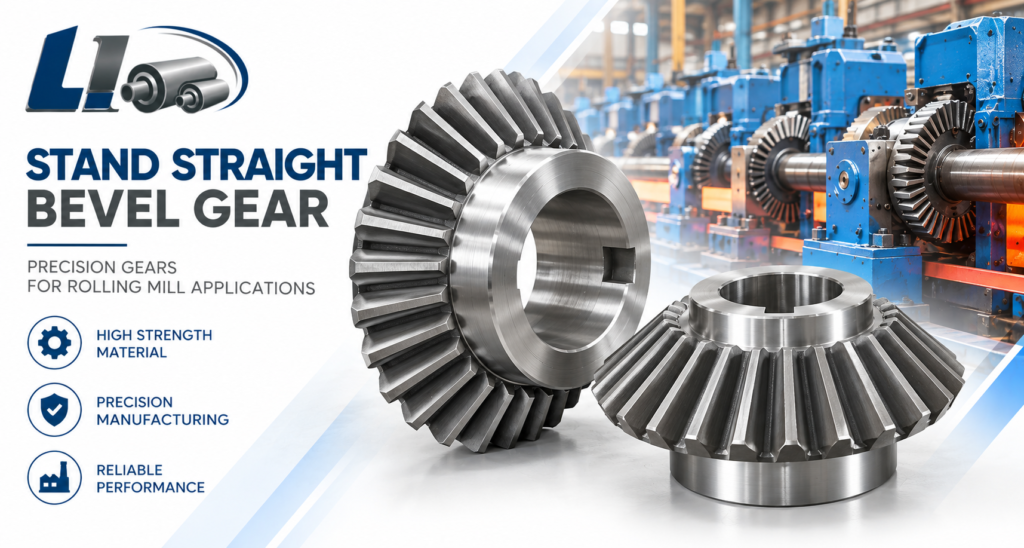
- Drive and transmission components
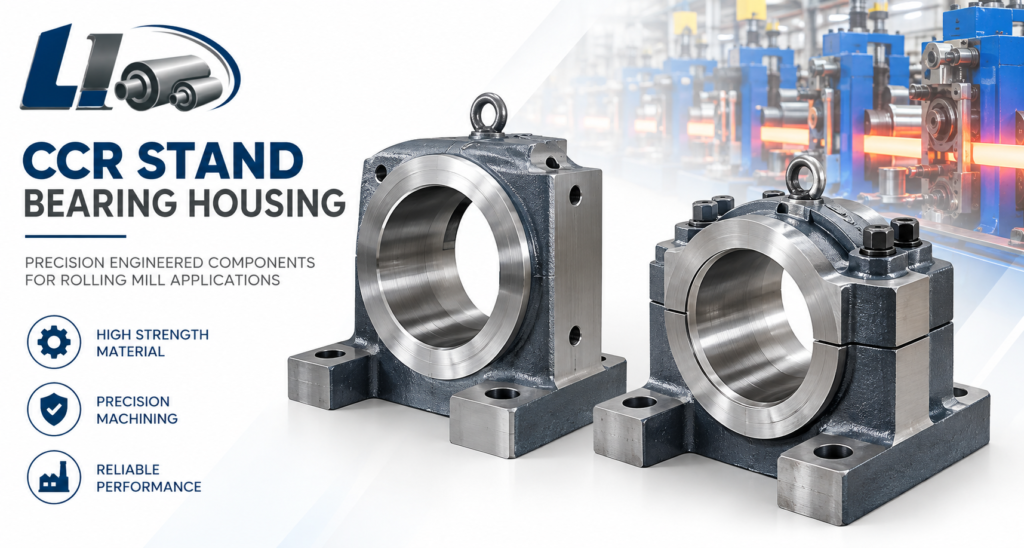
- Bearing housings
- Coiling equipment
- Process automation and control systems
The performance of the complete system depends on the compatibility and condition of the individual components.
How to Improve Copper Wire Rod Quality
- Maintain stable casting temperature.
- Monitor casting speed.
- Maintain consistent cooling conditions.
- Inspect casting and rolling equipment regularly.
- Maintain accurate roll alignment.
- Use suitable rolling mill rolls.
- Monitor production parameters continuously.
- Implement preventive maintenance.
- Use automation where it provides measurable process benefits.
- Investigate process deviations promptly.
What Should You Consider When Upgrading a Copper Wire Rod Line?
Manufacturers considering an equipment upgrade should evaluate the complete production process rather than replacing individual machines without considering their interaction with the rest of the line.
Important considerations include:
- Required production capacity
- Finished wire rod dimensions
- Existing casting equipment
- Rolling mill configuration
- Energy consumption
- Cooling requirements
- Automation requirements
- Available plant space
- Maintenance requirements
- Future production expansion
Why Choose Laxmi Industries?
Laxmi Industries provides precision-engineered equipment and components for rolling mill and wire rod production applications. Our product range includes Continuous Casting Machines, Rolling Mill Stands, Copper Rolling Mill Rolls, and Rolling Mill Stand Spare Parts.
For manufacturers planning a new copper wire rod production line or upgrading existing equipment, the complete application should be evaluated according to production capacity, material requirements, equipment configuration, and operating conditions.
Frequently Asked Questions
How can copper wire rod casting quality be improved?
Casting quality can be supported through stable temperature control, consistent material flow, appropriate cooling, controlled casting speed, equipment maintenance, and suitable process monitoring.
How can energy consumption be reduced in copper wire rod casting?
Energy efficiency can be improved by optimizing thermal management, cooling systems, motors and drives, process automation, equipment maintenance, and overall production coordination.
Is automation useful for copper wire rod casting?
Automation can help monitor and control production parameters such as temperature, speed, cooling, alarms, and process data. The appropriate level of automation depends on the production line and operating requirements.
What equipment is required for copper wire rod production?
The equipment depends on the production process and plant configuration. A system can include continuous casting equipment, rolling mill stands, rolls, cooling systems, guides, drives, coiling equipment, and process control systems.
Conclusion
Improving copper wire rod casting requires a combination of stable process control, appropriate cooling, effective thermal management, reliable equipment, preventive maintenance, and suitable automation. Energy efficiency should be evaluated across the complete production system rather than focusing on a single machine.
Manufacturers planning to improve copper wire rod production should evaluate casting, rolling, cooling, automation, and maintenance requirements together. A properly integrated production solution can help support consistent product quality while improving the efficiency and reliability of the manufacturing process.
If you are planning a copper wire rod casting and rolling project or upgrading an existing production line, contact Laxmi Industries with your production capacity, material specifications, finished wire rod requirements, and existing equipment details for a suitable engineering solution.