

Common Rolling Mill Problems and How to Troubleshoot Them
Every rolling mill experiences problems from time to time. The key to reducing downtime is identifying the cause quickly and fixing it properly, not only treating the symptom. This guide outlines common rolling mill problems, their likely causes, and practical checks.
1. Cobbles
A cobble occurs when the rod leaves its intended path and jams or wraps in the mill.
Possible Causes
- Worn or misaligned guides
- Bar entering off-centre
- Speed mismatch between stands
- Roll or groove damage
- Defects in the cast bar
Checks
- Inspect guides at the affected stand
- Check alignment and pass settings
- Review speed coordination
- Inspect bar quality from the caster
2. Rod Dimension Variation
Possible Causes
- Roll wear
- Incorrect roll gap settings
- Loose or worn adjustment components
- Temperature variation in the bar
- Tension changes between stands
Checks
- Measure roll grooves
- Verify settings and look for drift
- Inspect pivots and adjustment parts
- Check cooling consistency
3. Surface Defects
Possible Causes
- Scratches from worn guides
- Damaged roll surfaces
- Defects carried from casting
- Scale or debris in the mill
- Oxidation after rolling
Checks
- Identify the stand where the defect first appears
- Inspect guides and rolls at that point
- Check cast bar surface
- Review after-cooling performance
4. Vibration and Noise
Possible Causes
- Bearing wear
- Gear damage
- Coupler misalignment or wear
- Loose fasteners
- Imbalanced rotating parts
Checks
- Locate the source using vibration measurement
- Inspect bearings and gears
- Check coupler alignment
- Tighten fasteners
5. Overheating of Bearings or Gearboxes
Possible Causes
- Insufficient or contaminated lubrication
- Overloading
- Misalignment
- Cooling problems
Checks
- Check oil level, flow, and condition
- Review loads and pass schedule
- Verify alignment
- Inspect cooling circuits
6. Twisting of Rod
Possible Causes
- Guide misalignment
- Uneven roll groove wear
- Incorrect pass settings
Checks
- Inspect guides and their settings
- Check groove condition
- Review the pass sequence
7. Bar Breaks Between Caster and Mill
Possible Causes
- Casting defects such as cracks or weak sections
- Excessive tension between caster and mill
- Incorrect bar temperature
- Straightener settings applying too much bending
Checks
- Inspect the bar surface and section at the break
- Review speed coordination between caster and mill
- Check bar temperature at the mill entry
- Verify straightener settings
8. Coiling Problems
Possible Causes
- Traverse speed not matched to line speed
- Worn laying guides
- Changeover timing errors
- Rod too hot at the coiler
Checks
- Check traverse settings and motion
- Inspect guide surfaces
- Test changeover sensors and actuators
- Check after-cooler performance
9. Frequent Electrical Trips
Possible Causes
- Motor overload from mechanical problems
- Loose connections
- Overheating of drives or panels
- Sensor faults
Checks
- Review drive fault logs
- Inspect panel cooling and cleanliness
- Check mechanical loads on the affected stand
- Test sensors and wiring
A Structured Troubleshooting Approach
- Record when and where the problem occurs
- Check recent changes to settings or parts
- Inspect the area closest to where the problem first appears
- Fix the root cause, not just the symptom
- Document the solution for future reference
Building a Troubleshooting Guide for Your Mill
Every mill has its own recurring problems. Creating a plant-specific troubleshooting guide based on past experience helps new operators and maintenance staff respond quickly. A simple format lists each symptom, its likely causes, the checks to make, and the usual solution. Updating the guide whenever a new problem is solved makes it more valuable over time.
When to Call the Equipment Supplier
Some problems need specialist knowledge, especially when they involve design limits, unusual wear patterns, or repeated failures despite normal maintenance. Sharing photos, measurements, and operating data with the equipment supplier helps them give useful advice quickly.
Why Choose Laxmi Industries?
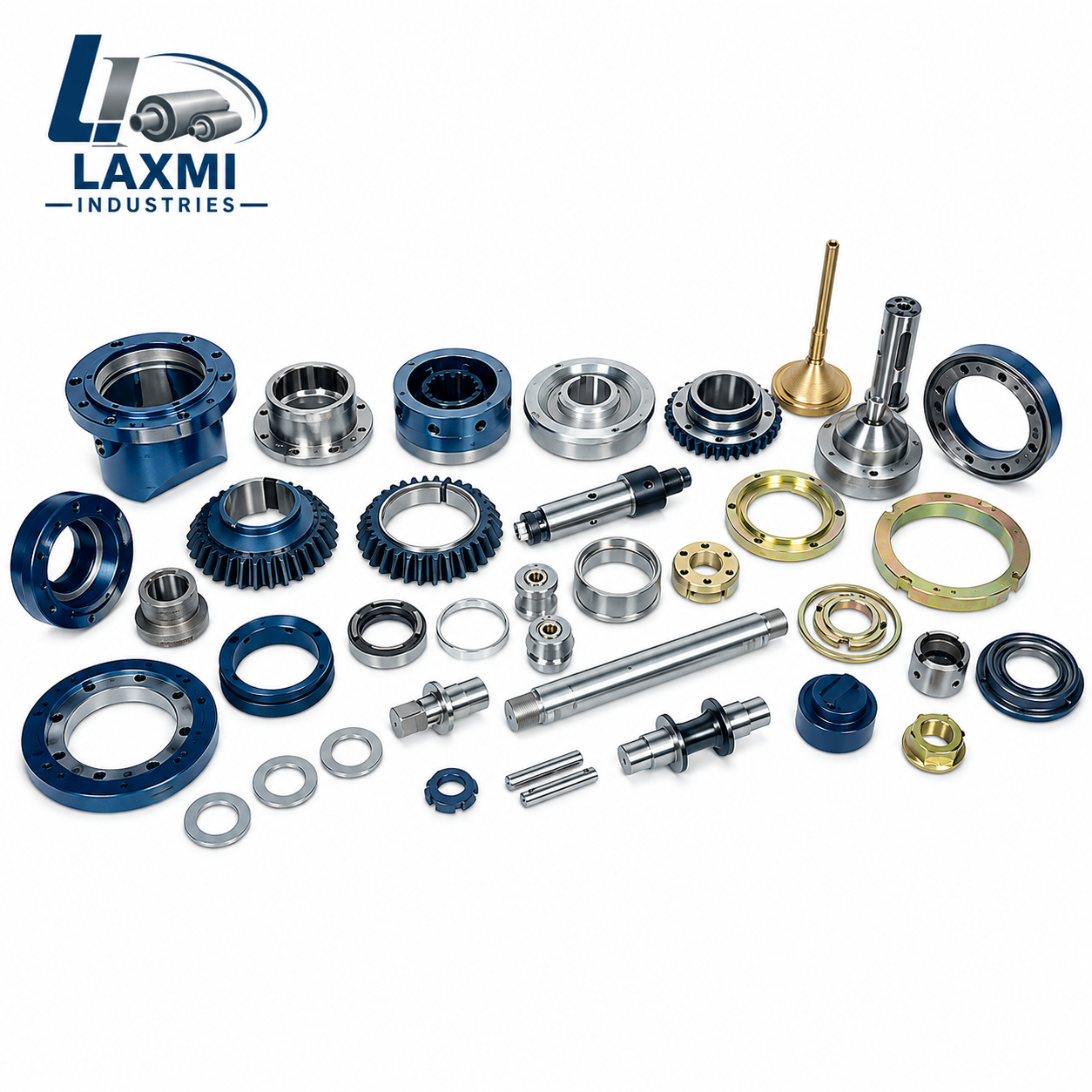
Laxmi Industries manufactures Wire Rod Rolling Mills, Rolling Mill Stands, Exit Guides, rolls, and stand spare parts, helping manufacturers resolve problems with suitable replacement components.
Frequently Asked Questions
What causes cobbles in a rolling mill?
Common causes include guide problems, misalignment, speed mismatch, roll damage, and bar defects.
Why is my rod size changing?
Roll wear, setting drift, worn adjustment parts, and temperature or tension changes can all cause dimension variation.
How do I find the source of a surface defect?
Find the first stand where the defect appears and inspect the guides and rolls there.
What causes bearing overheating?
Lubrication problems, overloading, misalignment, and cooling issues are common causes.
Conclusion
Most rolling mill problems have identifiable causes. A structured troubleshooting approach, combined with good maintenance and quality components, helps reduce downtime and keep production stable.
Contact Laxmi Industries if you need replacement components or support for your rolling mill.
